

Restore Calm, Reduce Tension, and Support Comfortable Movement with Craniosacral Therapy
Craniosacral therapy can help when the body feels stuck in tension. Many people notice tightness that does not settle with stretching, stress that shows up as headaches or jaw clenching, or lingering sensitivity after injury. At Apex Physiotherapy and Health Clinic, our team offers in Abbotsford, BC and Surrey, BC craniosacral therapy as a gentle, hands-on option that supports relaxation, tissue comfort, and easier movement. Patients often choose this approach when they want a calm treatment style that still targets real physical patterns.
Craniosacral therapy works best when care stays goal-focused. Your clinician will connect the treatment to what you feel during daily tasks, such as sitting, turning your head, sleeping, or managing screen time.
Understanding Craniosacral Therapy
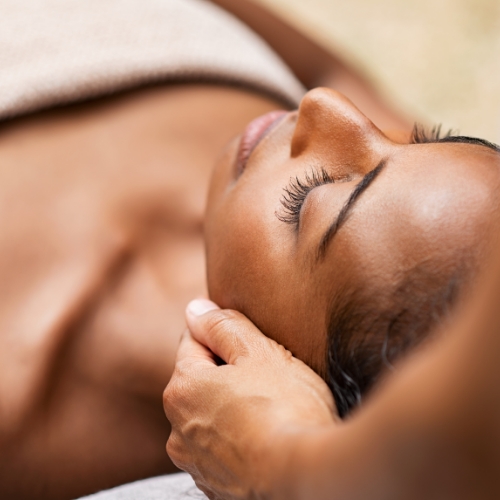
Craniosacral therapy is a light-touch manual approach. A clinician uses gentle contact along areas such as the head, neck, spine, ribs, and pelvis. The clinician assesses subtle tension patterns in connective tissue, often called fascia, and guides the body toward a calmer resting tone.
Some people describe the treatment as deeply relaxing. Other people notice gradual changes in stiffness, breathing ease, or how the neck and jaw move. Craniosacral therapy does not replace active rehabilitation. Craniosacral therapy can support recovery when tension, guarding, or sensitivity makes movement feel harder than it should.
When Craniosacral Therapy Can Help
Craniosacral therapy may help people who experience symptoms linked to tension, guarding, or nervous system sensitivity, including:
- Headaches that feel linked to neck or jaw tension
- Jaw tightness and clenching habits related to TMJ symptoms
- Neck and upper back tension that builds with desk work
- Post-concussion symptoms that include headache, neck tightness, or sensitivity to stimulation
- Persistent pain patterns where the body stays guarded
- Poor sleep linked to physical tension and stress load
A physiotherapist may recommend this approach when the body needs calmer input to help exercise and movement retraining feel manageable.
How Craniosacral Therapy Works and Why It Helps
Craniosacral therapy aims to reduce protective tension so the body can move with less resistance. Many people with persistent symptoms develop guarding around the neck, ribs, or pelvis. Guarding can limit joint motion, change breathing mechanics, and increase sensitivity during everyday movement. Gentle manual input can help downshift that response, which can make active rehab easier to tolerate.
A clinician may combine craniosacral therapy with physiotherapy care when recovery requires both tissue calming and progressive loading. For example, a physiotherapist may use exercise and movement retraining to rebuild capacity, while craniosacral therapy supports relaxation and reduces the protective tone that blocks progress.
Common benefits patients may notice include:
- Reduced jaw, neck, or shoulder tension during daily tasks
- Improved comfort with head turning, posture changes, or sustained sitting
- Lower sensitivity during flare-ups, especially when stress increases symptoms
- Easier breathing mechanics and less rib or upper chest tightness
- Improved tolerance for exercise progression within physiotherapy care
- Better relaxation and sleep quality when tension drives nighttime discomfort

Frequently Asked Questions
Is craniosacral therapy safe?
How many sessions do most people need?
Can craniosacral therapy help with headaches or TMJ symptoms?
What to Expect at Apex Physiotherapy and Health Clinic
Your clinician will start by asking about your symptoms, triggers, and goals. Next, they will assess areas that commonly influence tension patterns, such as the neck, jaw, ribs, and pelvis. Treatment uses light pressure and slow pacing. The clinician will adjust technique based on comfort and response.
Many patients combine craniosacral therapy with physiotherapy sessions to support long-term progress. A physiotherapist may also recommend kinesiology support when strength and endurance goals become a priority later in recovery.
Start Craniosacral Therapy at Apex Physiotherapy and Health Clinic
If tension, headaches, jaw discomfort, or persistent sensitivity is making daily movement harder, craniosacral therapy at Apex Physiotherapy and Health Clinic can support a calmer foundation for recovery. Connect with our team in Surrey, BC to discuss whether this approach fits your goals and how it can complement your physiotherapy plan.
Your Next Steps…
- Request An Appointment
- Receive A Custom Treatment Plan
- Work Hard and Progress In Your Recovery
- Recover & Enjoy Life Pain-Free