

Restore Movement and Strength with Physiotherapy at Apex Physiotherapy and Health Clinic
Physiotherapy forms the foundation of care at Apex Physiotherapy and Health Clinic. This hands-on rehabilitation approach uses guided movement, manual techniques, and progressive loading to support healing, improve strength, and restore mobility. Our physiotherapists combine advanced clinical experience with a patient-focused approach to help you recover safely and move with confidence.
How Physiotherapy Supports Recovery
Physiotherapy in Abbotsford, BC and Surrey, BC helps people recover from injuries, manage ongoing conditions, and improve daily function. Whether you’re healing after surgery, managing arthritis, or rebuilding strength following a sprain, physiotherapy provides structured care that supports movement and long-term improvement. Each plan focuses on restoring mobility, improving strength, and helping you move more comfortably in daily life.
At Apex Physiotherapy and Health Clinic, physiotherapists use targeted treatment approaches to address common movement limitations and injuries:
ACL Injury Rehabilitation
ACL injury rehabilitation focuses on restoring knee strength, stability, and movement control after injury or surgery. A physiotherapist assesses joint mobility, muscle strength, balance, and movement patterns that affect knee loading.
Early rehabilitation emphasizes swelling control, range of motion, and safe weight bearing. As recovery progresses, treatment advances toward strengthening the quadriceps, hamstrings, and hips while improving balance and coordination.
Sport- and work-specific movements help prepare the knee for real-world demands. Structured progression supports safe return to activity while reducing the risk of reinjury and improving long-term knee function.

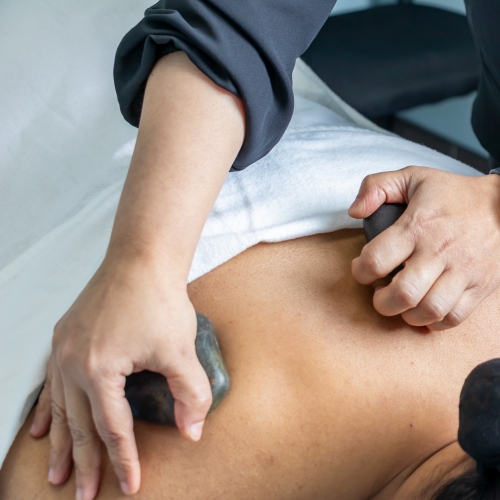
Active Release Technique
Active release technique is a hands-on soft tissue treatment that targets tight muscles, tendons, and connective tissue. A physiotherapist uses precise pressure while guiding the body through specific movements to release restrictions and improve tissue mobility.
This approach helps restore normal muscle function and reduces tension that can limit movement or contribute to pain. Active release technique is commonly used for overuse injuries, postural strain, and muscle tightness related to work or sport.
When combined with exercise and movement training, it supports better flexibility, improved movement efficiency, and more comfort during daily activities.
Concussion Therapy
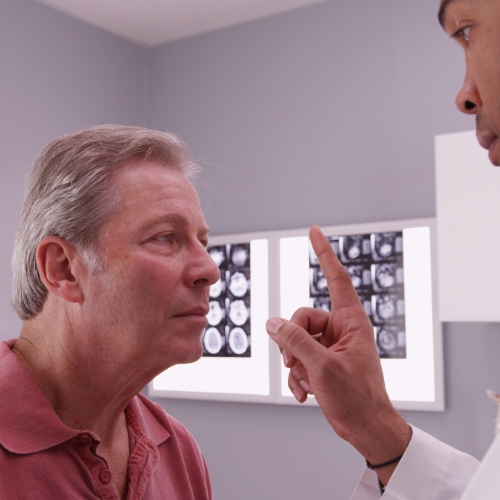
Concussion therapy addresses movement, balance, and coordination changes that can follow a concussion. A physiotherapist evaluates symptoms related to balance, vision, neck movement, and activity tolerance.
Treatment focuses on gradually retraining these systems through controlled exercises that challenge the nervous system without overloading it. Balance training, visual control exercises, and neck rehabilitation help restore stability and confidence with movement.
Guided progression supports safe return to daily activities, work, and sport. Concussion therapy emphasizes monitoring symptoms and adapting care to support steady recovery and improved function over time.
Manual Therapy
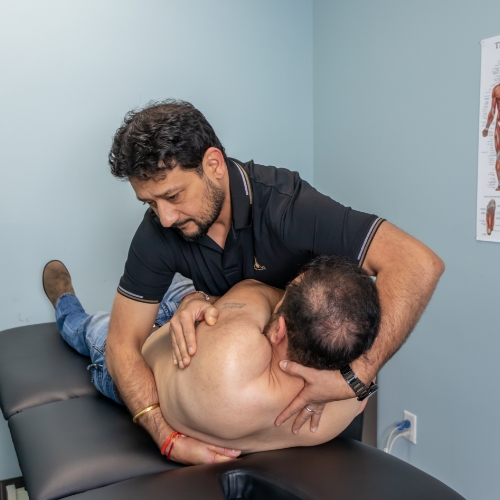
Manual therapy uses hands-on techniques to improve joint mobility, reduce muscle tension, and support efficient movement. A physiotherapist applies controlled movements or pressure to joints and soft tissues that feel restricted or stiff. Improved mobility allows muscles to activate more effectively and reduces strain during daily activity.
Manual therapy often supports recovery from injury, surgery, or chronic movement limitations. When paired with exercise and education, it helps prepare the body for movement retraining and strength development. This approach supports better posture, smoother movement, and improved tolerance for activity.
Spinal Manipulation
Spinal manipulation involves precise, controlled movements applied by a trained physiotherapist to specific spinal joints. The goal is to restore normal joint motion and reduce stiffness that can limit movement or contribute to discomfort. Improved spinal mobility helps surrounding muscles work more efficiently and supports better posture and movement control.
Spinal manipulation is used selectively and only when appropriate for the individual. It often forms part of a broader physiotherapy plan that includes exercise, posture training, and movement education. This combined approach supports long-term spinal health and functional movement.

What to Expect During Your Physiotherapy Sessions
Step 1
Physiotherapy Assessment
Care begins with a detailed assessment completed by an experienced physiotherapist.
This includes a review of medical history, current symptoms, and movement patterns.
Understanding how your body moves and what limits its function allows your therapist to design an effective and focused plan.
Step 2
Customized Treatment Plan
Each recovery plan reflects the individual. Your physiotherapist builds a program that fits your condition, goals, and lifestyle. Treatment plans may include:
- Hands-on techniques to improve joint and soft tissue mobility
- Targeted exercises to restore strength and control
- Movement retraining to support work and daily tasks
- Education that supports long-term recovery and self-management
Progress is reviewed regularly, and care adapts as strength and function improve.
Step 3
Exercise and Education
Home exercises support progress between visits and help maintain improvements over time. Your physiotherapist teaches proper technique and provides guidance for safe movement. Education may include:
- Posture and movement strategies
- Activity modification when needed
- Self-management tools to reduce recurrence
Coordinated Care That Supports Progress
Physiotherapy at Apex Physiotherapy and Health Clinic may be supported by massage therapy and kinesiology when it adds value to recovery. Massage therapy helps address muscle tension and tissue sensitivity, which can make movement and hands-on treatment more comfortable. Kinesiology may be incorporated to guide strength development, movement re-education, and task-specific conditioning as patients build tolerance and return to work, sport, or daily activity. This coordinated approach allows care to progress in a structured way while supporting long-term function.
Why Physiotherapy Is Effective
Physiotherapy focuses on addressing the factors that limit movement and function. Through targeted movement, education, and progressive loading, the body adapts and becomes more resilient. This approach supports long-term strength, mobility, and confidence rather than short-term symptom control.

Frequently Asked Questions
How soon should I start physiotherapy after an injury or surgery?
How many physiotherapy sessions will I need?
Do I need a doctor’s referral for physiotherapy?
Why Choose Apex Physiotherapy and Health Clinic for Physiotherapy
At Apex Physiotherapy and Health Clinic, patients receive one-on-one care from physiotherapists with more than 10 years of clinical experience. We listen carefully, set clear goals, and guide recovery with structured plans that support steady progress. Our team remains focused on helping you return to the activities that matter most.
Start Your Recovery with Apex Physiotherapy and Health Clinic
If pain or injury is limiting your movement, the physiotherapists at Apex Physiotherapy and Health Clinic are ready to help. Contact our Surrey, BC clinic today or book online to learn how physiotherapy can support your recovery.
Your Next Steps…
- Request An Appointment
- Receive A Custom Treatment Plan
- Work Hard and Progress In Your Recovery
- Recover & Enjoy Life Pain-Free