

Recovery After a Concussion Requires More Than Rest Alone
A concussion can affect far more than just the head. Changes in balance, vision, neck movement, and tolerance to physical or mental activity can make everyday tasks feel difficult or overwhelming. At Apex Physiotherapy and Health Clinic, our physiotherapists provide concussion care in Abbotsford, BC and Surrey, BC for patients by assessing how the injury has affected movement, coordination, and nervous system function.
Symptoms can appear immediately or develop over time. Because no two concussions present the same way, effective care depends on understanding which systems are involved and how they respond to activity. Physiotherapy focuses on guiding recovery safely while helping patients return to daily life with greater confidence.
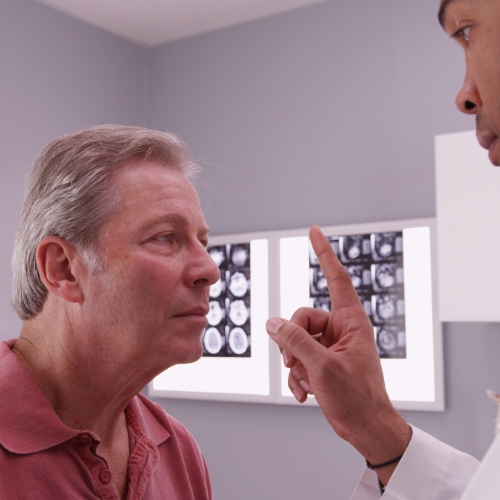
Understanding Concussions and Post-Concussion Symptoms
A concussion is a mild traumatic brain injury caused by a sudden force to the head or body that disrupts normal brain function. This disruption can affect balance, vision, reaction time, and how the brain processes movement and sensory input.
Post-concussion symptoms may include headaches, dizziness, difficulty concentrating, visual sensitivity, fatigue, neck pain, or reduced tolerance to physical or cognitive activity. Symptoms often fluctuate and may worsen with exertion, screen use, or busy environments.
How Concussions Can Affect Daily Function
After a concussion, many people struggle with activities that previously felt automatic. Walking in crowded areas, driving, working at a computer, or exercising may provoke symptoms. Fatigue often builds quickly, making it harder to maintain focus or complete tasks.
Without guidance, people may avoid activity altogether or push too hard too soon. Both approaches can delay recovery. Structured physiotherapy helps restore balance between rest and movement, which is especially important for individuals recovering from concussion in Abbotsford, BC and Surrey, BC.
How Physiotherapy Supports Concussion Recovery
Physiotherapy for concussions focuses on restoring how the brain and body work together during movement. Your physiotherapist completes a detailed assessment of balance, eye tracking, neck mobility, posture, and activity tolerance to identify which systems require support.
Treatment may include:
- Vestibular rehabilitation to improve balance and reduce dizziness during head and body movement
- Visual and eye coordination exercises to address blurred vision, tracking difficulty, or sensitivity to motion
- Neck rehabilitation when cervical stiffness or irritation contributes to headaches or dizziness
- Graded activity exposure to improve tolerance for physical and cognitive tasks without triggering symptom flare-ups
- Education to help manage fatigue, pacing, and return-to-activity decisions
Kinesiology may be introduced later in recovery when concussion symptoms have limited overall conditioning. Guided exercise helps rebuild endurance and confidence with movement while respecting neurological recovery.
Each treatment approach is chosen based on how it supports nervous system regulation and safe return to daily activity.
Why Early, Guided Care Makes a Difference
Relying on prolonged rest alone can lead to deconditioning and increased sensitivity. Early assessment allows care to focus on controlled exposure to movement and activity that supports neurological adaptation.
Guided progression helps reduce fear around symptoms and prevents compensatory movement patterns from developing. This approach supports steadier recovery and reduces the likelihood of lingering post-concussion symptoms.
Improvements Patients Often Notice During Recovery
With consistent physiotherapy, many patients report:
- Reduced dizziness or visual disturbance
- Improved balance and steadiness while walking
- Better tolerance for screen use or busy environments
- Fewer headaches related to movement or posture
- Increased confidence returning to work, school, or activity
Progress is measured by improved function and symptom control rather than complete symptom elimination in the early stages.

Frequently Asked Questions
Do I need to wait until symptoms are gone before starting physiotherapy?
Can concussion symptoms return after they start to improve?
Is neck pain common after a concussion?
Why Patients Choose Apex Physiotherapy and Health Clinic for Concussion Care
Physiotherapists at Apex Physiotherapy and Health Clinic provide one-on-one care focused on identifying how a concussion has affected movement, balance, and activity tolerance. Treatment plans progress at a pace guided by symptoms and functional improvement. Patients in Abbotsford, BC and Surrey, BC value care that is attentive, structured, and grounded in safe return to daily life.
Support Your Recovery With a Structured Plan
If you are experiencing symptoms following a concussion, the team at Apex Physiotherapy and Health Clinic can help guide your recovery with care that focuses on restoring balance, clarity, and confidence with movement. Take the next step toward steady improvement with a plan built around how your body is responding today.
Your Next Steps…
- Request An Appointment
- Receive A Custom Treatment Plan
- Work Hard and Progress In Your Recovery
- Recover & Enjoy Life Pain-Free